
 Corporate travel and events contribute trillions to the global economy each year, according to the World Travel & Tourism Council. While that number may sound distant, its meaning is simple: when companies invest in shared experiences, they are not just boosting morale, they are quietly fueling local economies.
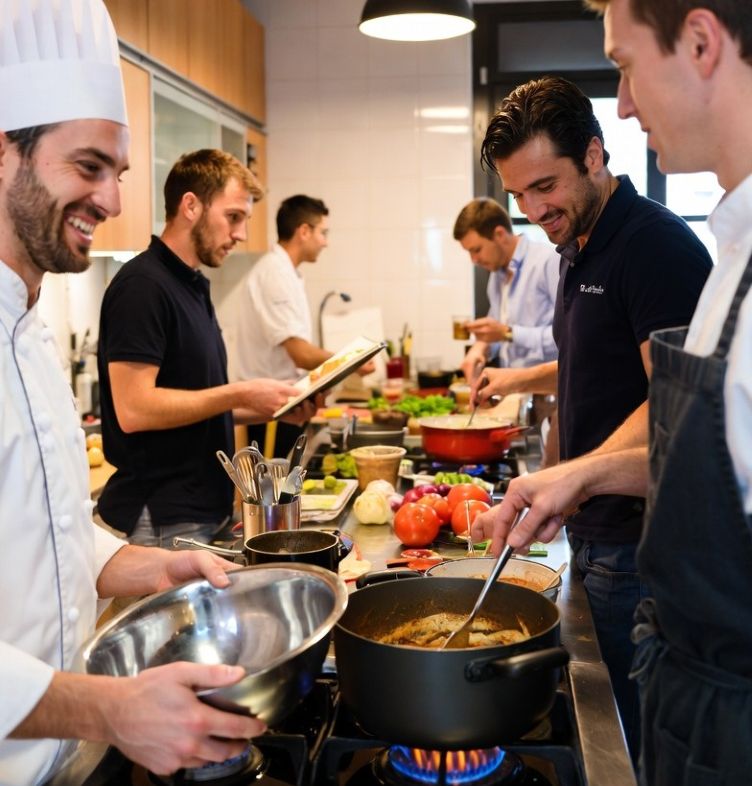
I once watched a group of office workers attempt a cooking challenge in a small neighborhood kitchen. They burned the sauce, laughed through it, and tipped generously afterward. That single afternoon paid the chef, the assistant, the ingredient supplier, and even the local taxi driver. This illustrates the ripple effect of programs such as team building Madrid, where companies partner with agencies to create experiences beyond the office walls. Providers like Froggy Events connect businesses with local vendors, ensuring money flows through multiple layers of the community.
Corporate Events Drive Local Spending
Every corporate event triggers a chain reaction. A company books a venue. The venue hires staff. Catering services order ingredients. Equipment gets rented. Transportation is arranged. A small ecosystem comes alive for a single event.
According to the Events Industry Council, business events generate substantial direct spending across venues, food services, and logistics. But this money does not stop there, it circulates. A florist paid for decorations may hire extra help. A bakery supplying desserts could increase production for the week. Even freelance photographers benefit from the surge in demand.
Team activities are often seen as internal investments in morale. In reality, they are public economic contributions wearing a fun disguise.
How Team Experiences Boost Tourism
Team-building programs often take employees out of their usual environment. That means travel. Hotels get booked. Restaurants fill up. Coffee shops suddenly serve lines of employees wearing matching shirts and hunting for the next clue.
Cities hosting these experiences see a short-term boost in tourism that can lead to long-term benefits. Madrid, for example, has become a hotspot for corporate groups seeking cultural and interactive activities. A well-planned team experience introduces participants to local cuisine, neighborhoods, and traditions. Some return later with family, and others recommend the city to friends.
A single corporate booking can echo into repeat tourism months later, starting with a puzzle game or food tour and ending with lasting economic impact.
How Agencies Channel Spending Locally
Event agencies sit at the center of this economic web. Without them, companies would struggle to coordinate multiple vendors, especially in unfamiliar locations.
Agencies like Froggy Events cultivate relationships with local suppliers, venues, and service providers. They know which caterer can handle dietary needs, which venue fits a group size, and which activity will truly engage participants.
By doing this, agencies distribute business across sectors. A single corporate client might generate work for ten or more local providers. That is not just convenience, it is structured economic support.
The Human Side of Spending
Experiential spending carries a personal weight. When a company chooses a team-building activity, it is choosing connection over routine, and that choice creates real economic value.
Teams bond over scavenger hunts, cooking classes, and even awkward icebreakers that turn into inside jokes. Behind those moments are people earning a living: the tour guide, the musician, the small business owner supplying workshop materials. These are not faceless transactions, they are exchanges that sustain livelihoods.
Why Businesses Should Consider Economic Impact
Companies often measure ROI in terms of productivity and employee satisfaction, which matters. But there is a broader impact worth noticing. Corporate events drive demand across multiple sectors, creating jobs, expanding income opportunities, and supporting local communities.
- Steady demand for local services
- Support for small and medium-sized businesses
- Promotion of cultural exchange and tourism
- Strengthening regional economies through repeated spending
Choosing a Madrid-based team experience, for example, does more than entertain employees, it supports a network of workers and businesses that depend on these opportunities.
Conclusion: Investing in People and Places
Corporate team experiences are often seen as perks, a break from routine, a chance to recharge. That is true, but it is only part of the story. Every booking, every activity, every shared meal feeds a larger economic cycle.
Programs like team building Madrid show how structured experiences benefit entire local ecosystems. From event planners to small vendors, many hands profit from a single corporate decision. When businesses invest in experiences, they are investing in people they may never meet, and that is a powerful form of growth.
Next time a team heads out for an activity, remember this: it is not just a day of fun. It is a quiet, yet significant, contribution to a thriving local economy.















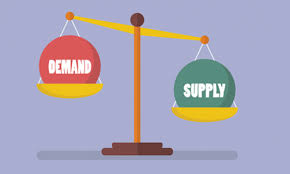






 The economy shapes how people live, spend, and invest, and in recent years economic shifts have influenced a growing interest in natural living concepts that focus on sustainability, efficiency, and long-term value rather than short-term luxury. When inflation rises and energy costs increase, homeowners begin to prioritize energy-efficient designs, proper ventilation, and natural lighting because these features reduce monthly expenses and protect long-term financial stability.
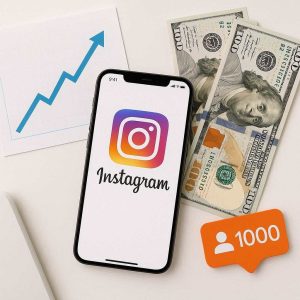 In today’s digital economy, visibility is a valuable asset. Social platforms like Instagram have evolved from casual photo-sharing apps into full-scale business tools. With billions of users and countless brands competing for attention, standing out isn’t easy. That’s why many individuals and companies explore different ways to boost their presence—and one of those ways is buying Instagram followers.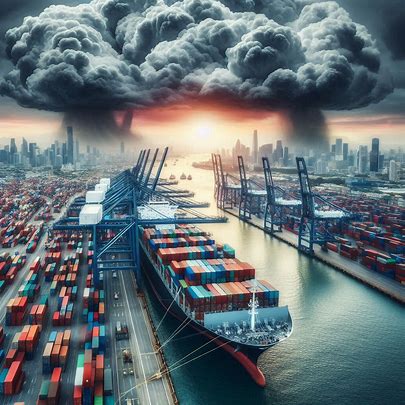
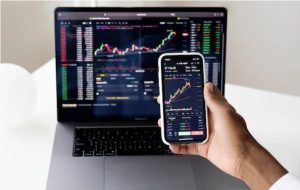
 In the past, sophisticated portfolio management was only available to institutional investors and hedge funds. Today, AI technology provides sophisticated strategies to regular investors.












 Not a few estranged couples in Western Australia have sought legal representation and guidance from divorce lawyers perth wa law companies provide as services. Still, even if Western Australia had as many as 5,989 divorce cases in 2021, the numbers pale when compared to the divorce cases in New South Wales (17,125), Victoria (12,786) and Queensland (13,475).
 Several studies about Australian divorce cases delved into the economic impact of divorce, particularly on Australian women. The most common findings show that divorced women suffer an estimated 21 to 30% decrease in income. It takes them about six years to regain their lost financial footing.